Turn 2D Product Images into Immersive 3D + AR Previews

Discover how RAVE SPACE enables brands to convert flat product photos into photorealistic 3D models and Web-AR experiences, boosting ecommerce conversions and reducing returns.
NextComm has become part of RAVE SPACE. What this article describes is now called 3D product visualisation, where the process, formats and pricing are set out in full.
Introduction
In the digital marketplace, static 2-D images no longer cut it. Shoppers increasingly expect interactive, immersive experiences. They want to rotate, zoom, view in-room, and feel confident about their purchase. That’s where 3D product visualisation at RAVE SPACE comes in: a browser-based pipeline that transforms product images (or videos) into full 3D models and enables Augmented Reality viewing, all without the friction of app-downloads or heavy integrations.
In this article we’ll explore:
What 3D product visualisation offers and how it works
The key business benefits for ecommerce brands
How it fits into the wider immersive web strategy of RAVE SPACE
Practical tips for getting started
What is 3D product visualisation?
The 3D product visualisation pipeline at RAVE SPACE is a software solution that:
Lets brands upload product photos or videos and convert them into photorealistic 3D models.
Enables embedding of those models on web pages, in product detail pages (PDPs), and launching AR experiences directly from browsers (no separate app).
Provides “one-click AR” with QR code triggers and surface detection for placing products in real-world environments.
Is part of a broader suite of SaaS platforms by RAVE SPACE that deliver browser-based 3D/AR experiences for commerce, events, and immersive web.
Offers pricing by credits: each credit generates one 3D model, and once generated you can share/embed the model unlimited times.
In essence: the pipeline bridges the gap between flat imagery and immersive 3D/AR, making interactive product visualisation accessible for brands.
Why it matters: Key benefits for ecommerce
Here are some of the main advantages that 3D product visualisation brings to ecommerce brands:
1. Increase conversion rates
Interactive 3D/AR lets shoppers visualise products more fully. They can spin, zoom, view textures, place items in their space. Studies show such visualisation can boost conversion rates significantly.
For example: Shopify puts the conversion lift on product pages with 3D and AR at around 94% in its own platform data.
2. Reduce return rates
One of the biggest challenges for online retailers: returns because the product did not match expectations or fit. With AR-placement and 3D viewing, shoppers know better what they’re getting. Visuality puts the drop in return rates at up to 40% in consumer categories and at 35 to 45% for professional equipment.
3. User experience without a detour (no app required)
Because the pipeline works in the browser, there’s no barrier of download or installation. Users simply view models via link or QR code. This significantly lowers friction and increases the reach of immersive visuals.
4. Scalability & cost-effectiveness
The underlying technology from RAVE SPACE emphasises client-side rendering (on user’s device) rather than heavy cloud streaming, which means lower operational cost per user and better scalability.
5. Brand differentiation & future-proofing
Brands that adopt immersive 3D/AR early position themselves ahead of competitors. Interactive product visualisation signals innovation, quality, and reduces buyer uncertainty, all beneficial for brand perception and loyalty.
How it works: From image to immersive model
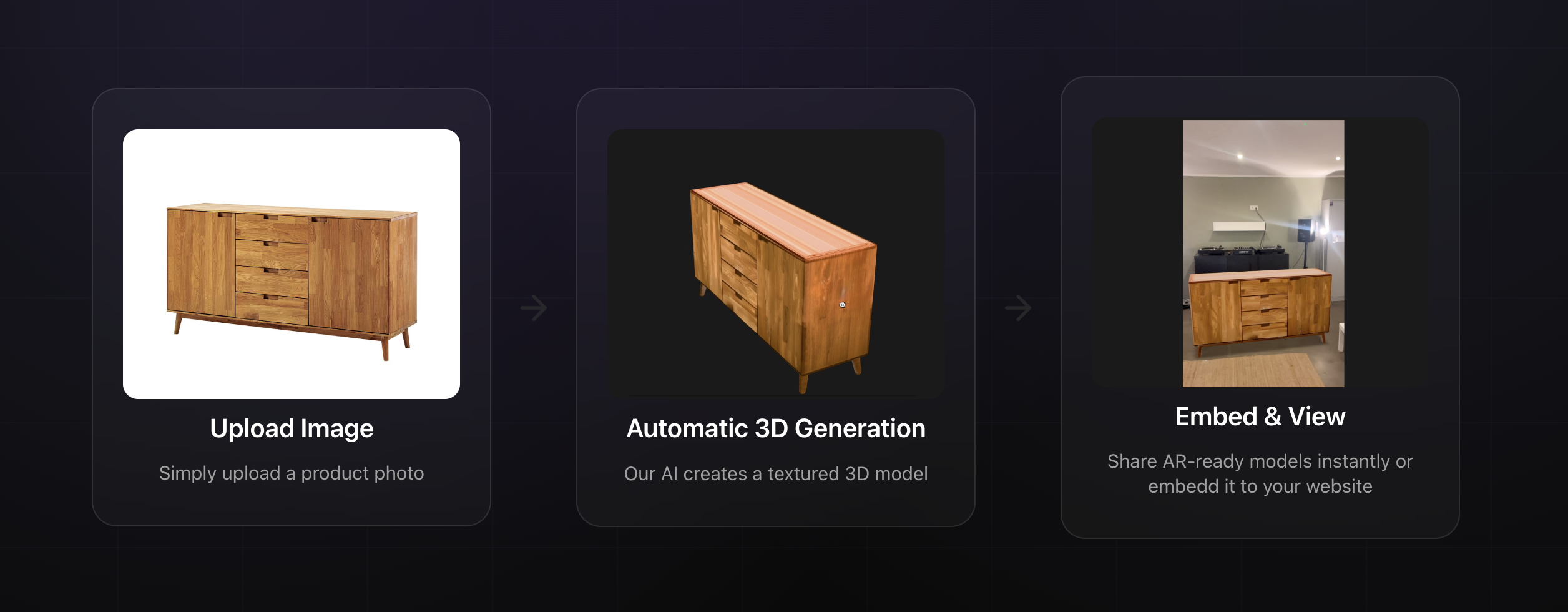
Here’s a simplified workflow for how a brand might implement 3D product visualisation:
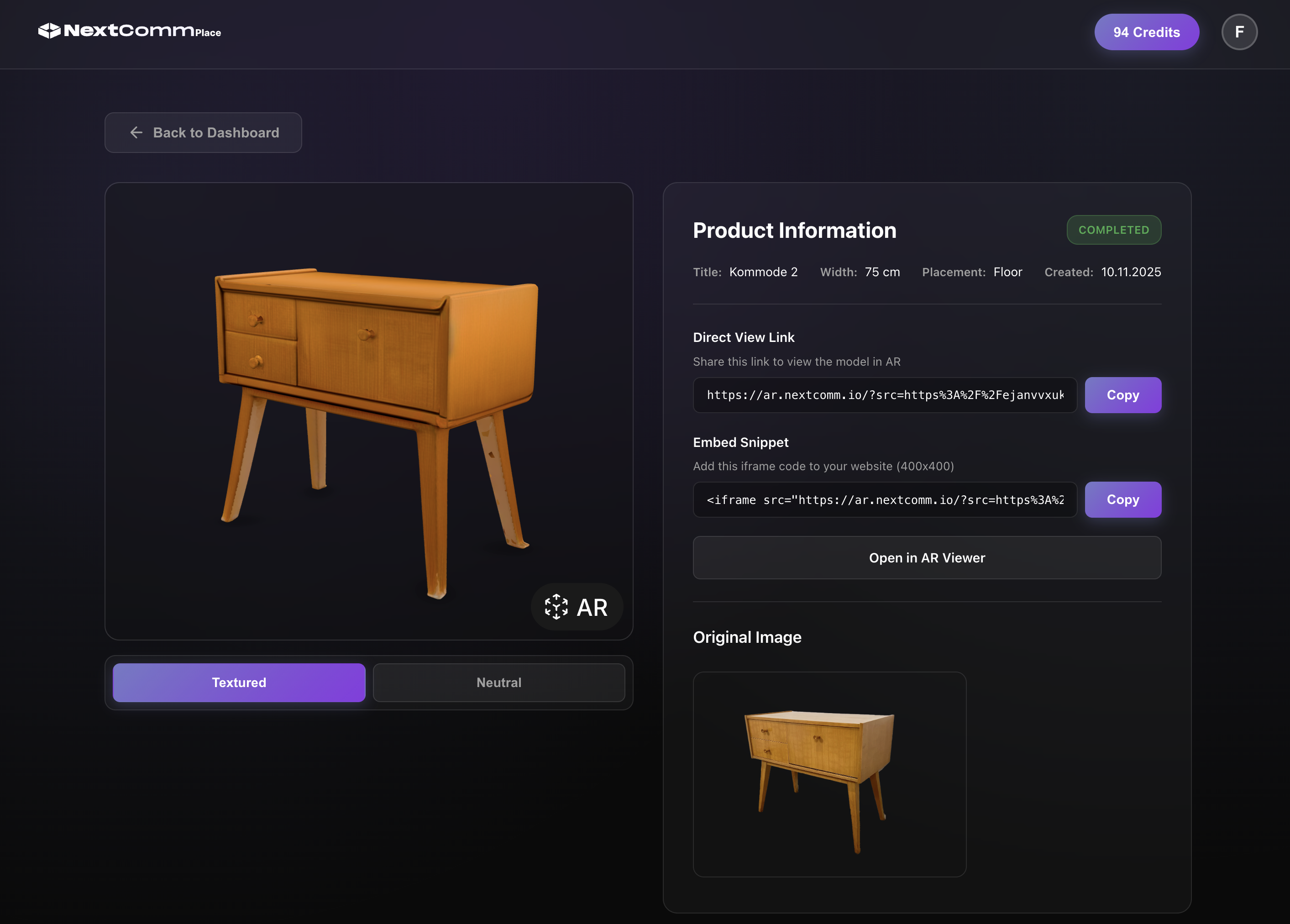
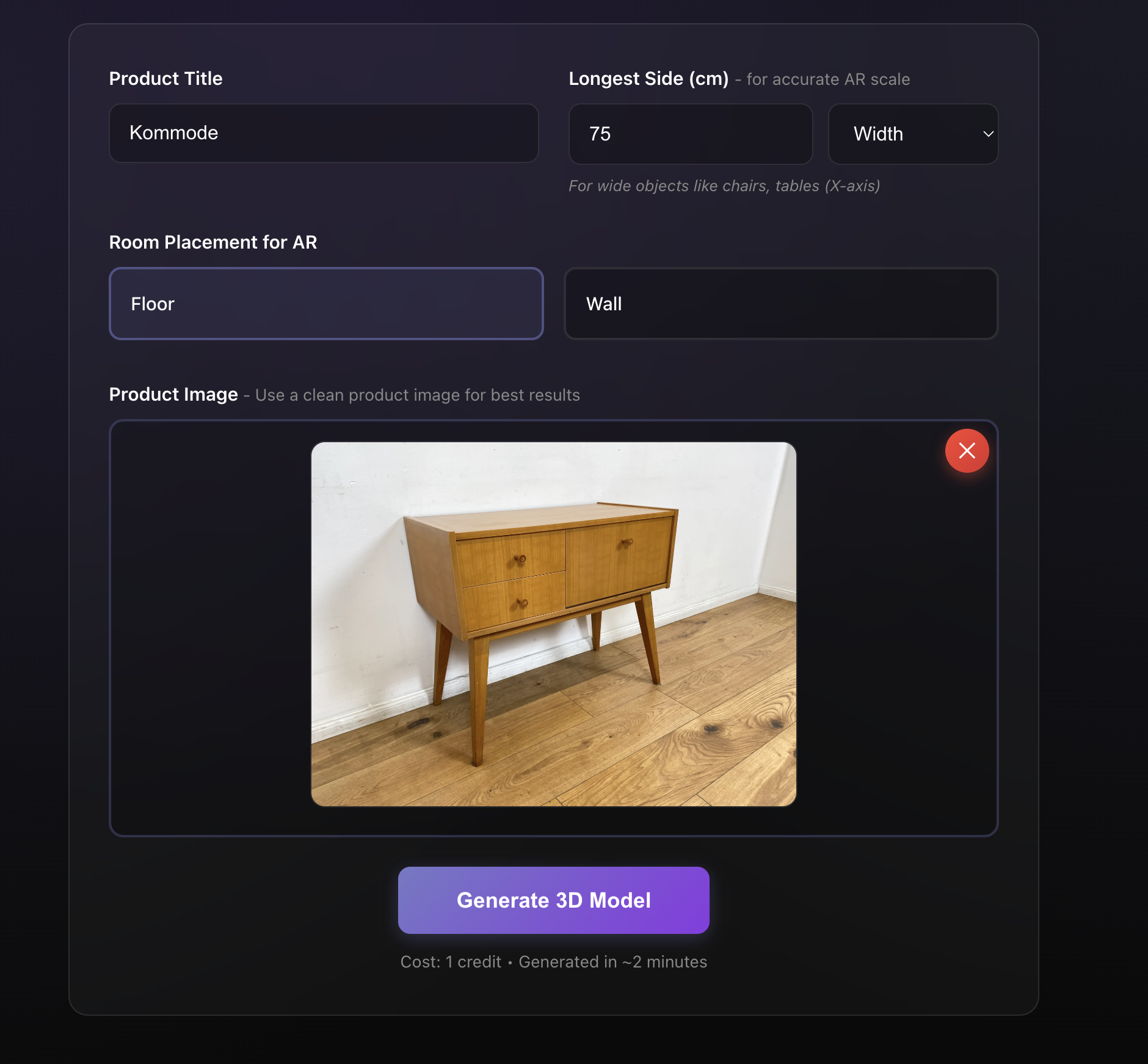
Upload product images (or videos) of the physical item.
AI-driven conversion transforms the image(s) into a photorealistic 3D model (including textures, lighting, correct scale, etc).
Embed / deploy the 3D model in the web store or via the platform’s viewer, enabling rotation, zoom, full interactivity.
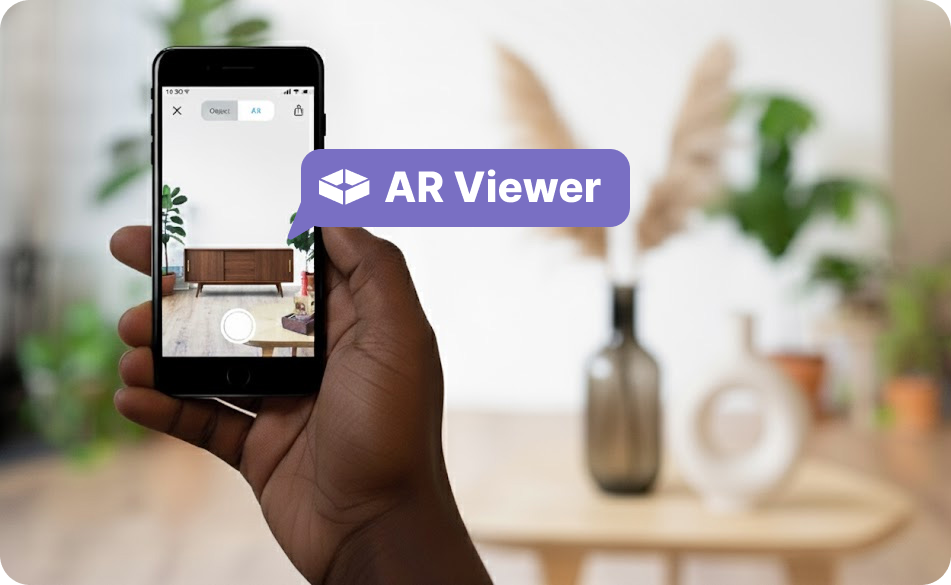
AR mode: generate QR code or link so customers can open the model in their own environment (smartphone camera, tablet) and place the object in real scale, view in context.
Analytics & optimisation: track engagement (e.g., dwell time, clicks), conversion uplift, return rate changes, iterate and optimise.
Use-cases & industries that benefit
Here are some specific scenarios where 3D product visualisation has strong relevance:
Furniture & home-goods retailers: visualize sofas, tables, décor in customer’s physical spaces.
Fashion, accessories & jewellery: rotate items, zoom into materials, enable virtual try-on (depending on configuration).
Electronics & gadgets: show devices from all angles, demonstrate interactions in 3D.
B2B / industrial equipment: enable configuration, view in context, inspect details virtually.
Marketing & product launch: create interactive web-views instead of static galleries, boost engagement.
Practical tips for brands considering the move
Start with high-quality imagery: Good photos/videos of your products ensure the 3D conversion is crisp and realistic.
Pick a hero product: Begin with a flagship item to test 3D/AR effectiveness (e.g., a best-seller) before rolling out across your entire catalogue.
Embed strategically: Place the 3D model viewer in high-visibility product pages, above the fold if possible, and make the AR-mode obvious (e.g., “View in your room”).
Track metrics: Compare conversion, average order value, and return rate before and after implementation. Use this to build your business case.
Optimise performance: While client-side rendering is efficient, ensure your site and assets load fast (compressed textures, efficient model formats) to maintain UX.
Consider branding & storytelling: 3D models can also support richer storytelling (e.g., show materials, animations, configurations), use them beyond simple viewing.
Educate your audience: Not every visitor knows they can interact with a 3D model. Use clear UI (e.g., “Drag to rotate”, “Tap to view in AR”) to encourage usage.
Conclusion
The adoption of 3D and AR in ecommerce is no longer just a “nice to have”. It’s quickly becoming a competitive differentiator. With a ready-made pipeline, brands no longer need to build custom solutions from scratch; they can use an accessible, browser-based system to transform product visuals into immersive, interactive experiences.
By enhancing shopper confidence, reducing returns, and increasing engagement, 3D/AR becomes a measurable business lever, not just a novelty. If your brand is looking to stay ahead in digital commerce, exploring the immersive web approach championed by RAVE SPACE) is a smart move.